 ART
ART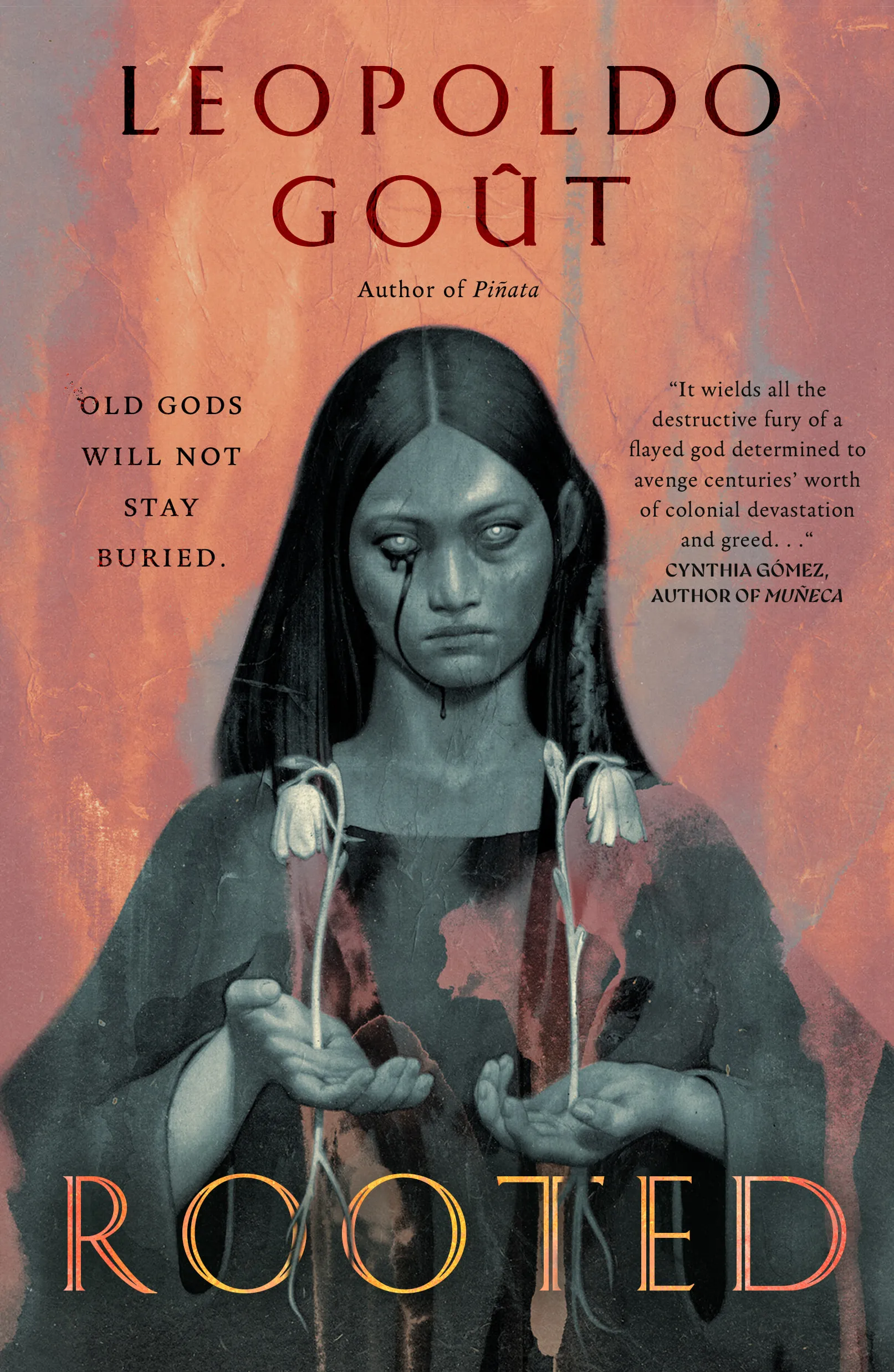
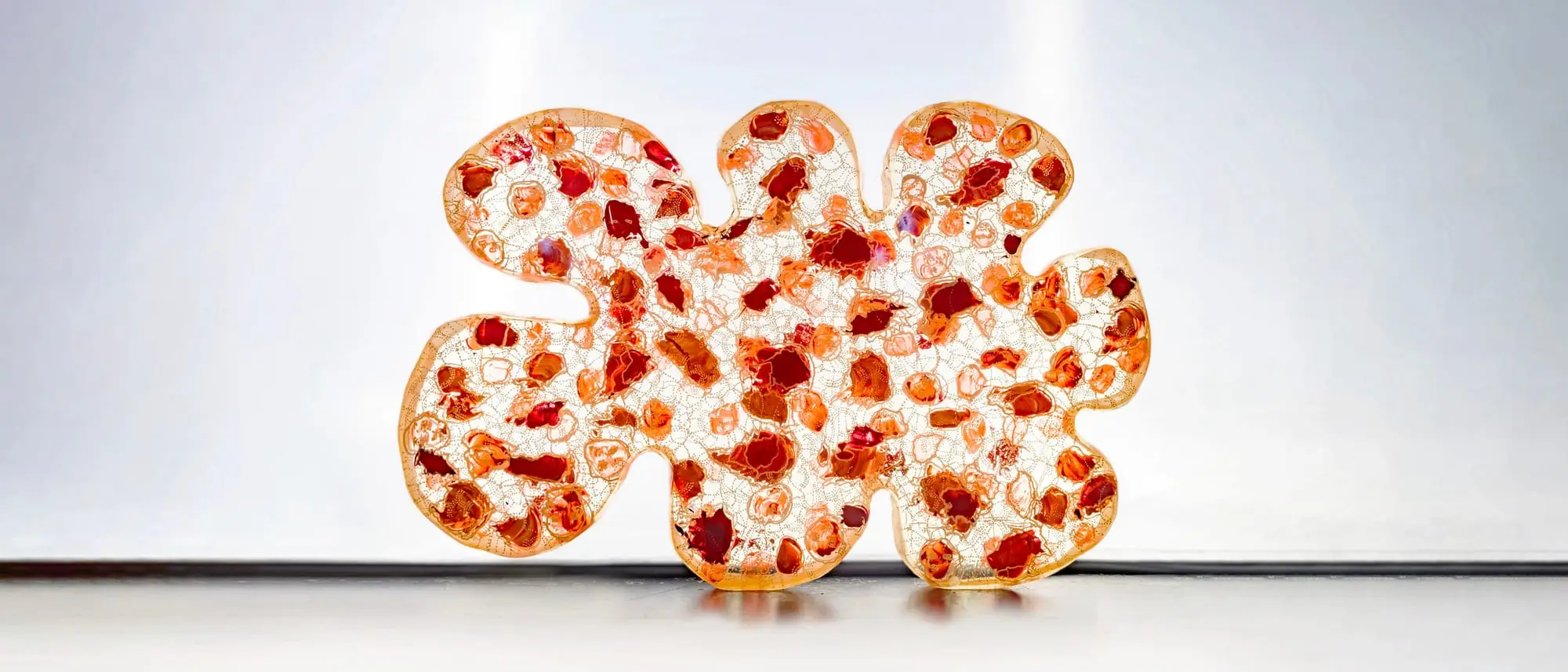
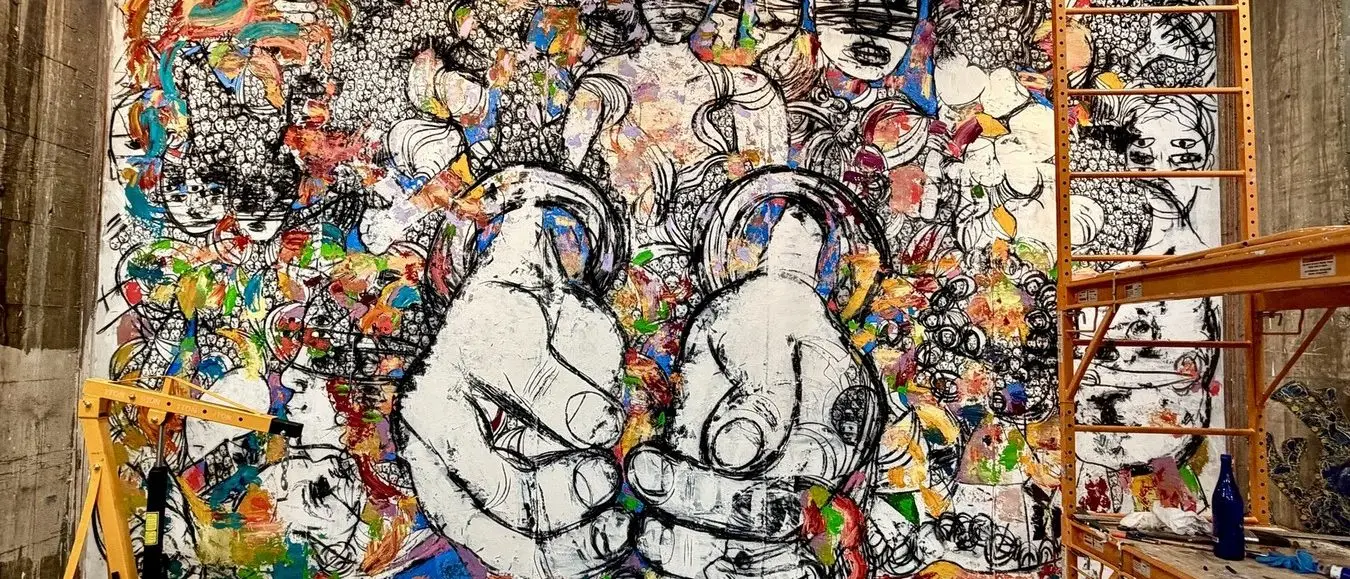
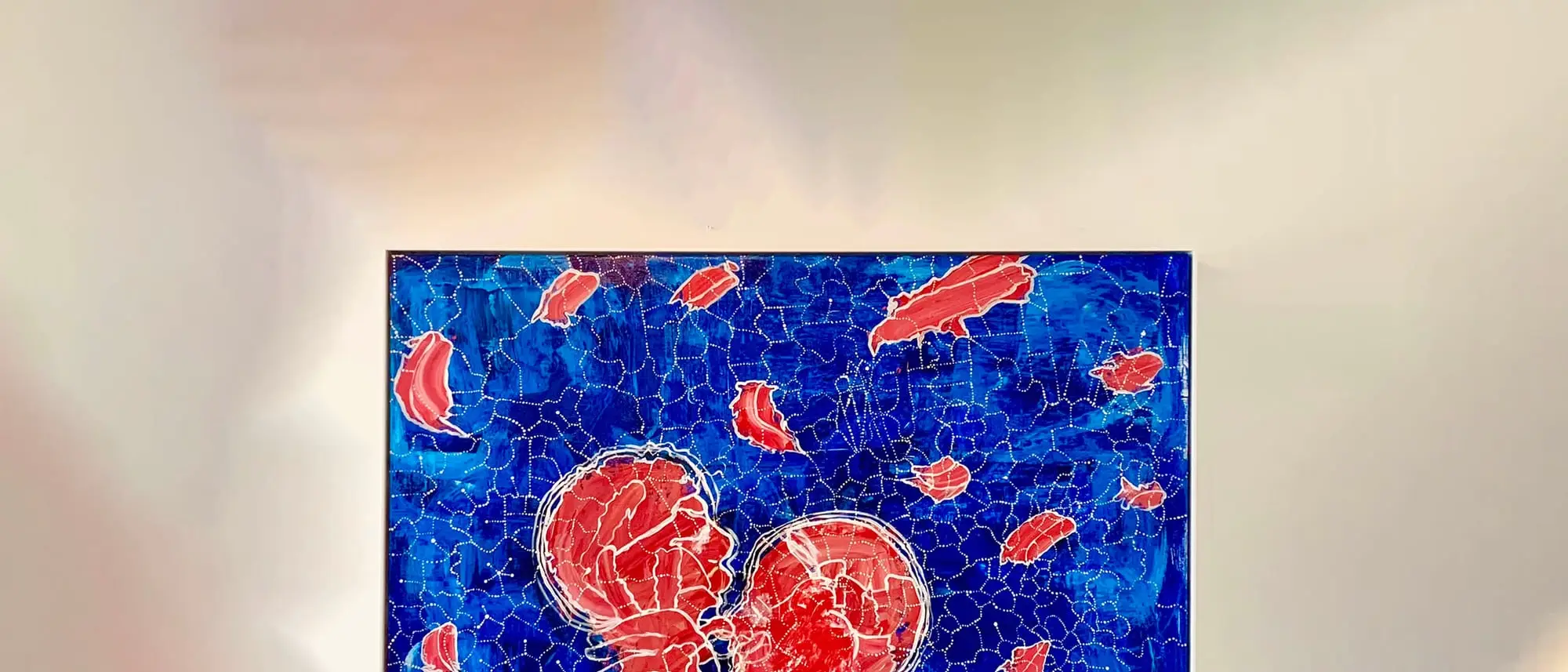
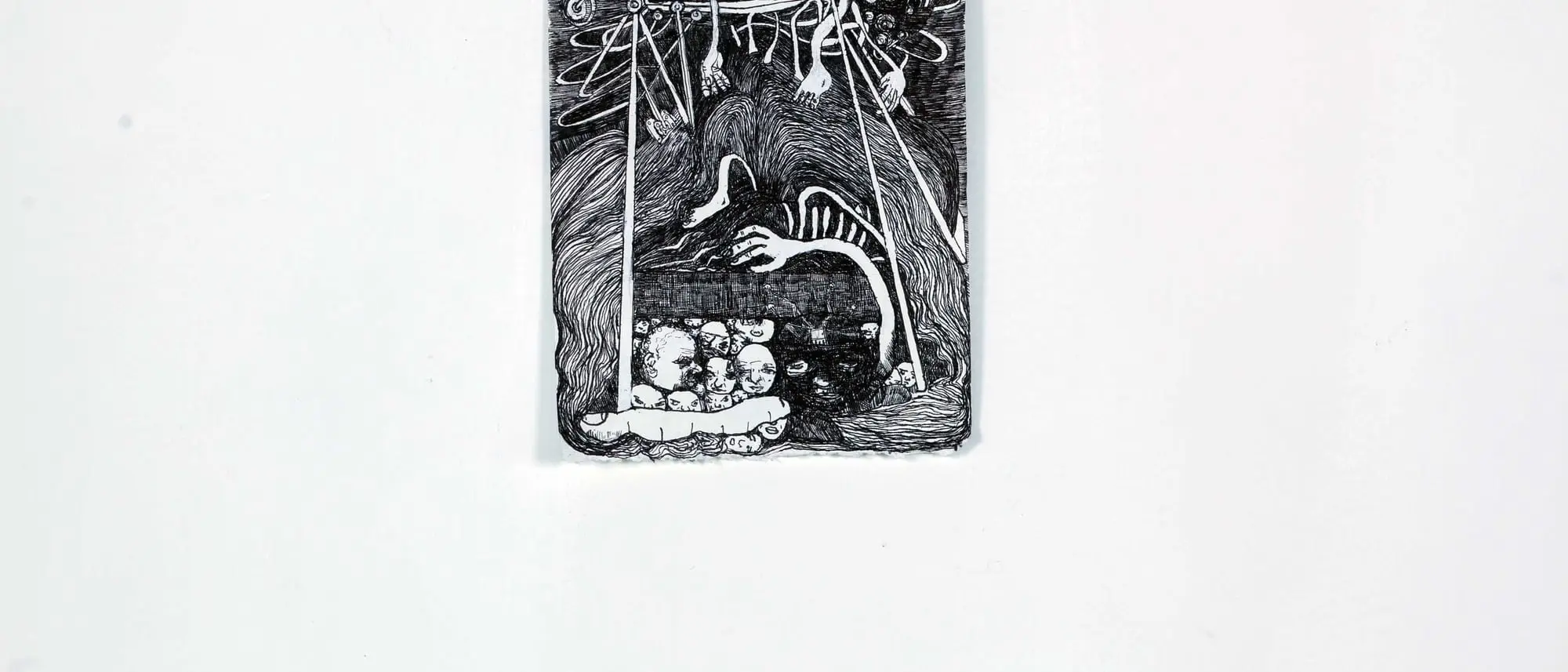
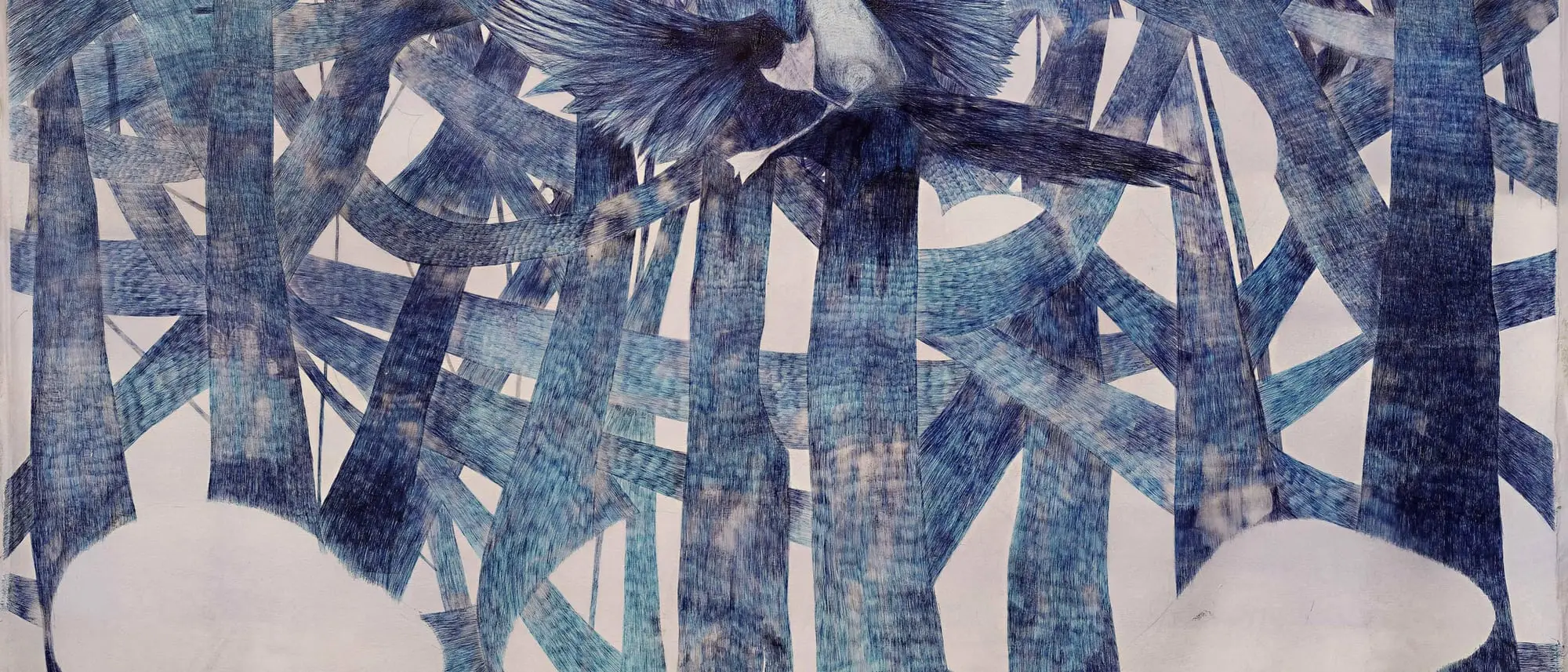
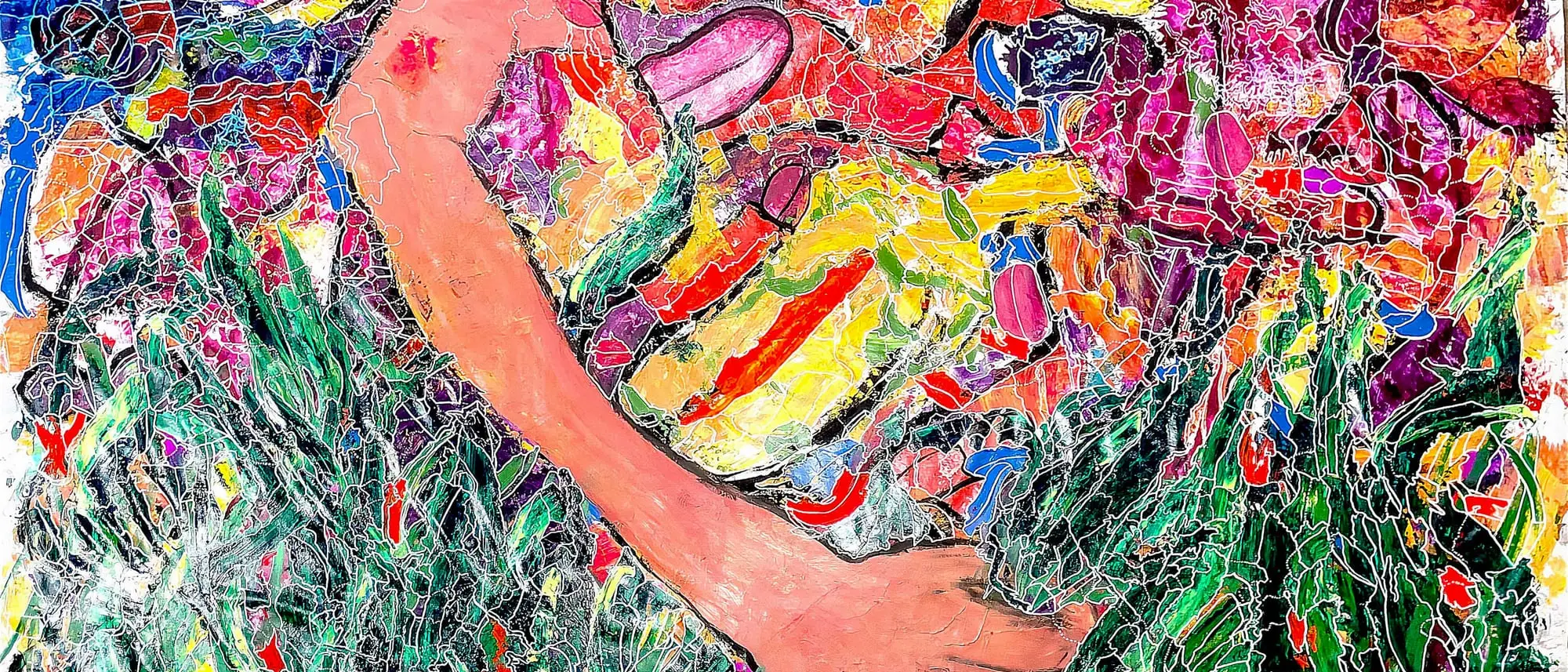
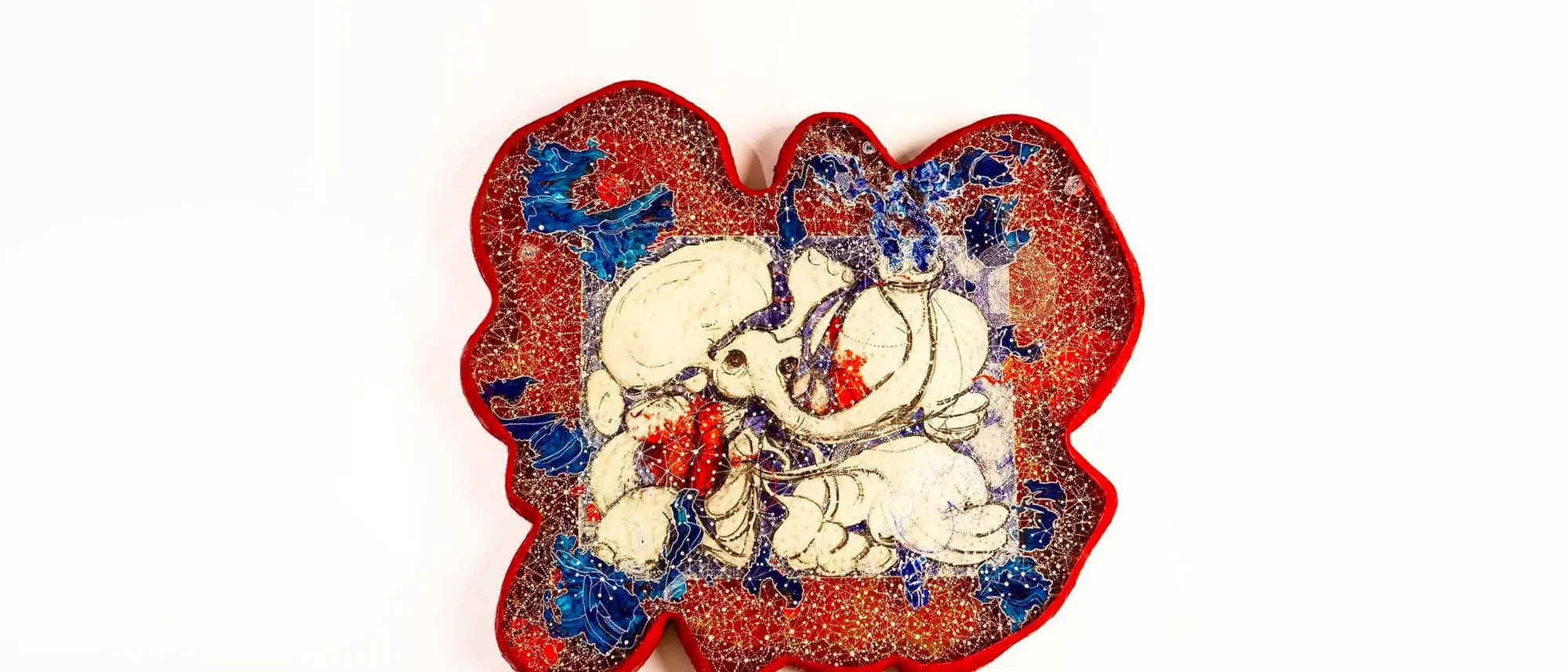
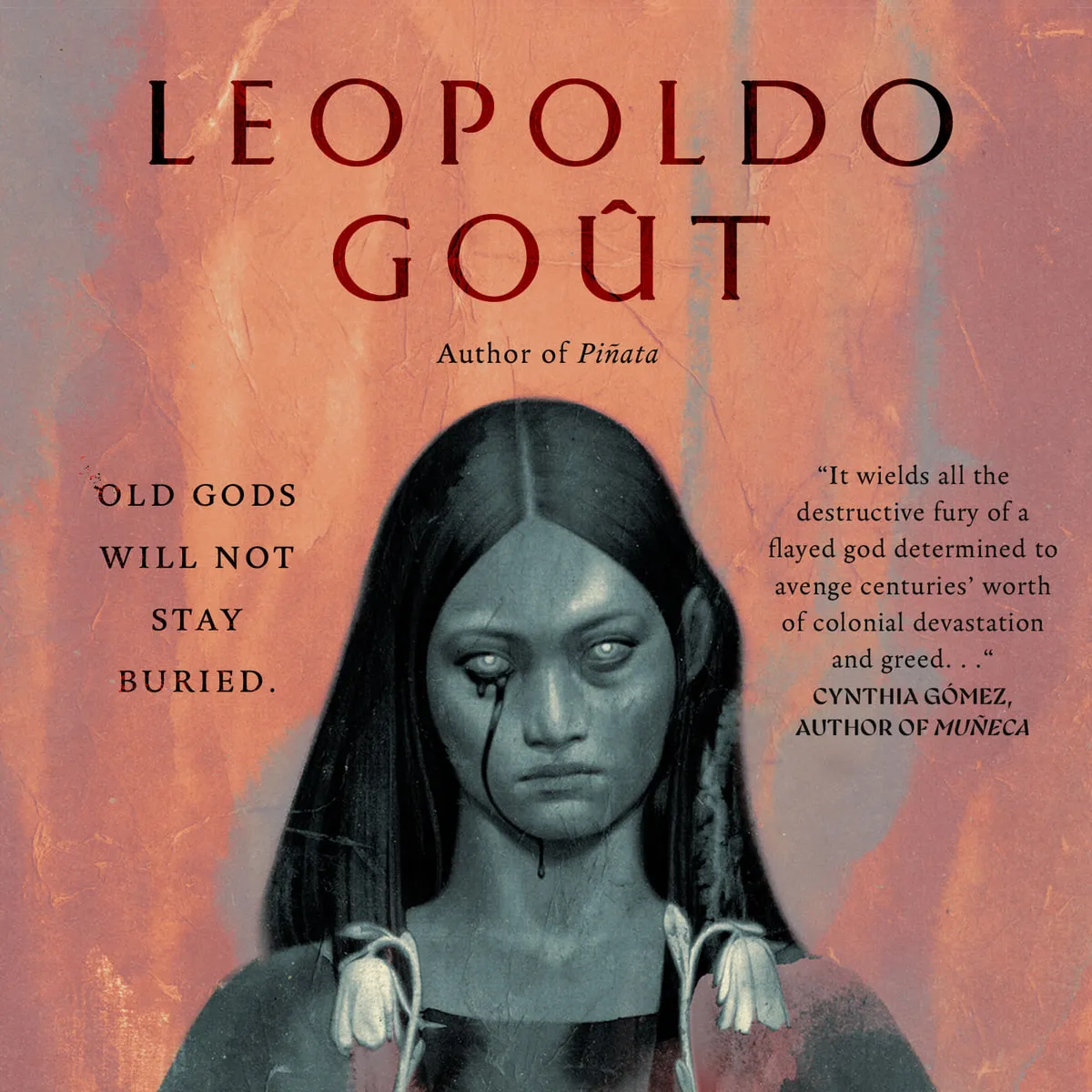

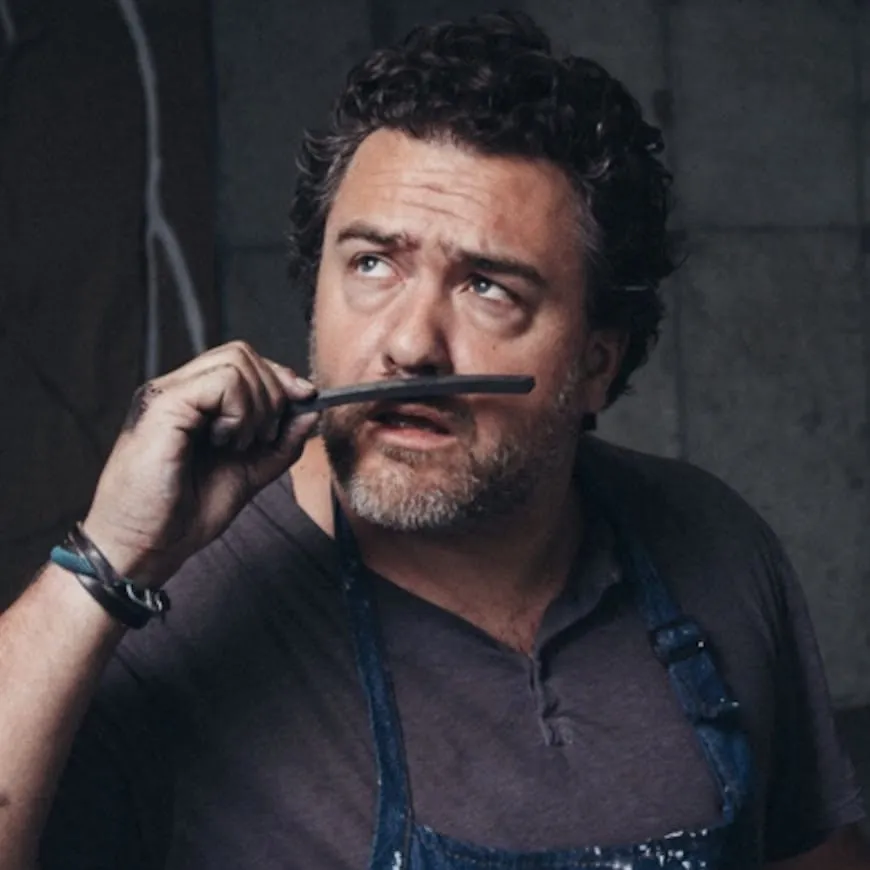
Leopoldo Goût is a multidisciplinary artist, novelist, and filmmaker. His practice moves across contemporary art, cinema, literature, and sound as a single expanded field. Born and raised in Mexico City and trained in sculpture at Central Saint Martins in London on a full scholarship from the Mexican Center for the Arts and the British Council, he has spent more than two decades living and working between New York City, Mexico City, and Oaxaca. As a novelist he takes notes, and as an artist he draws the worlds he writes. His projects operate at the intersection of myth, science, and personal history, treating art not as object but as a site of resonance, a deeper investigation into memory, migration, material intelligence, and the transmission of experience through form and ritual.
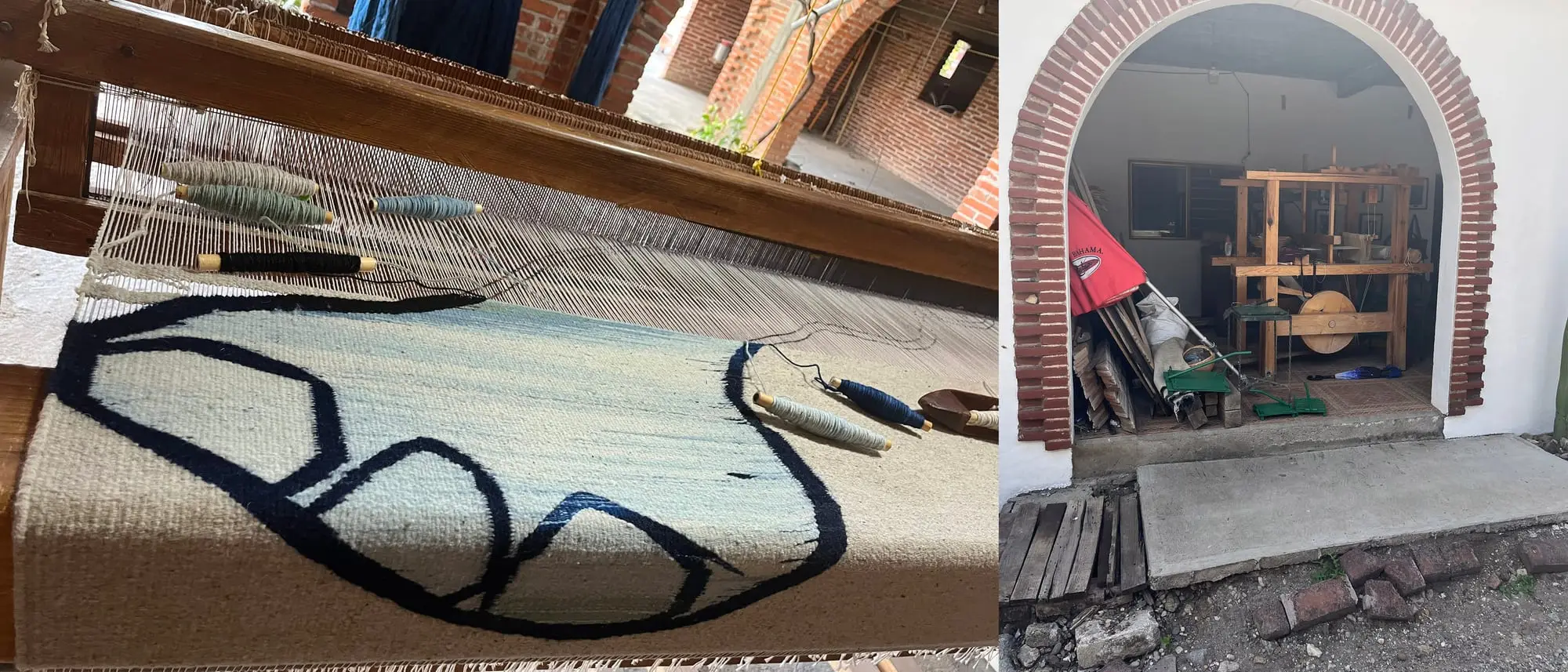
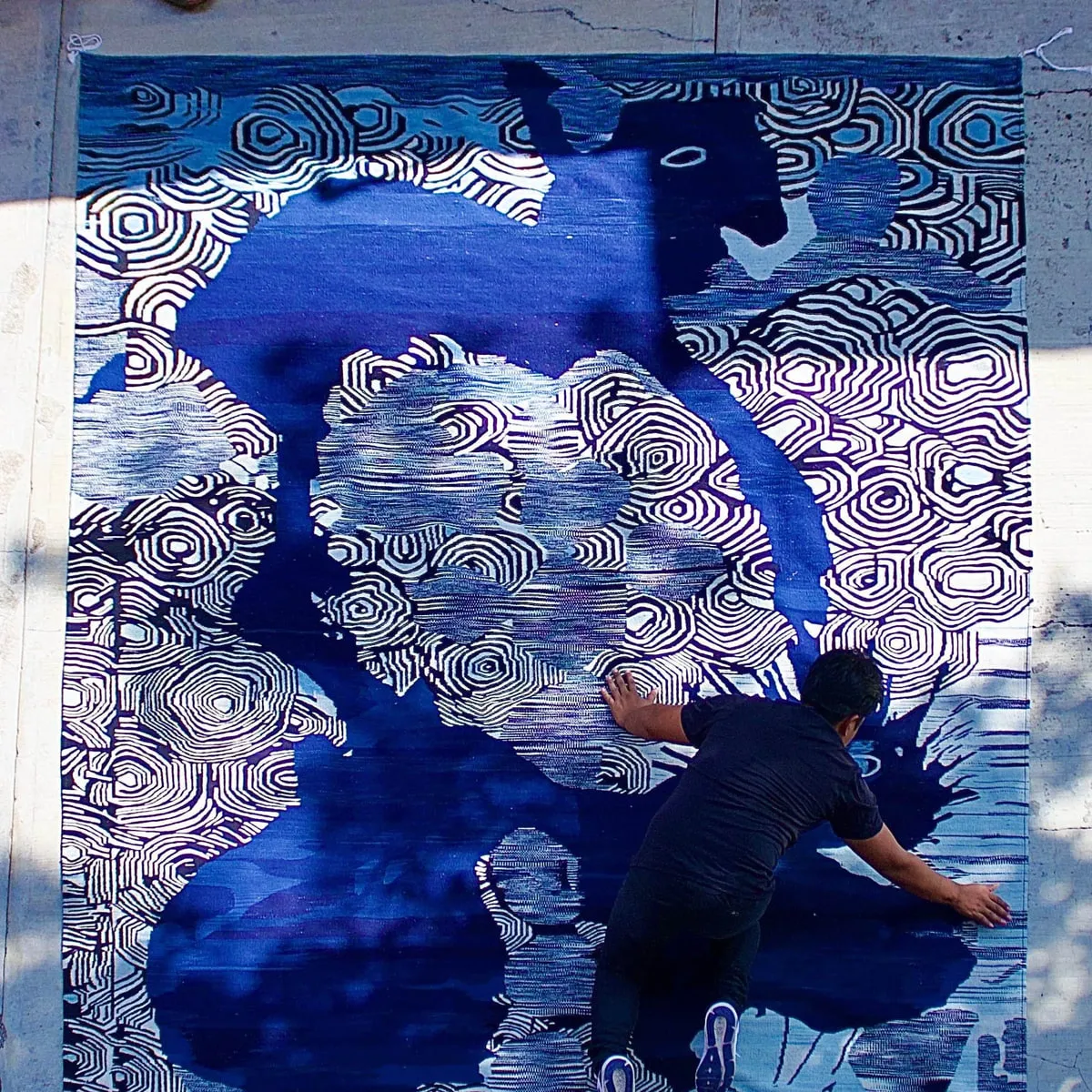
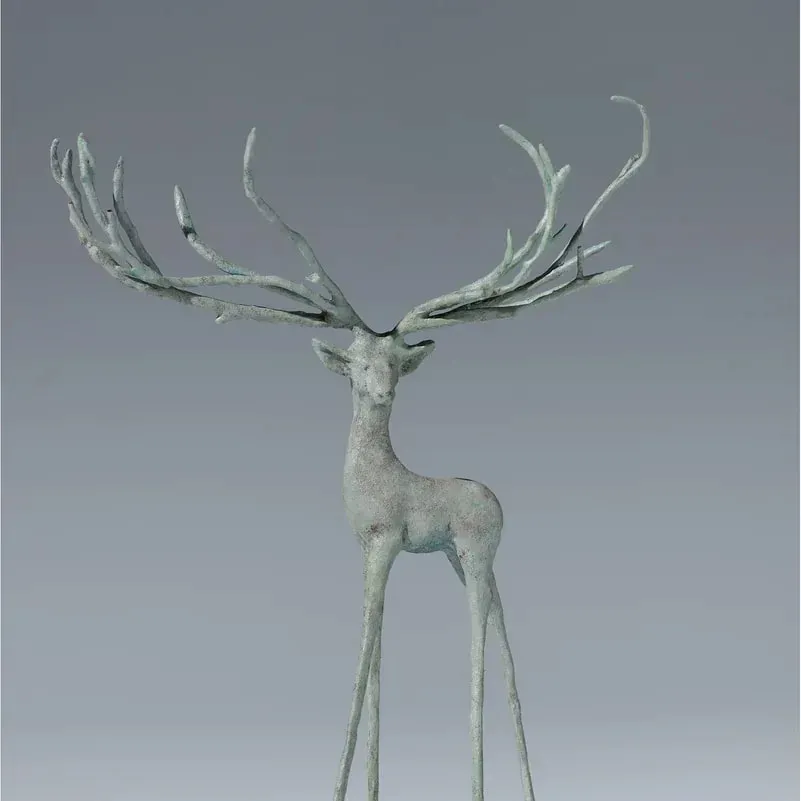
His visual practice spans sculpture, painting, drawing, tapestry, installation, moving image, and sound. The work is materially grounded and process driven, rooted in cycles of construction and erasure that mirror the operations of memory itself. Goût frequently binds volcanic ash from the Popocatépetl region into his bronze and glass castings, tying contemporary form to geological time and anchoring each piece in a specific landscape. A sustained collaboration with Zapotec master weavers in Teotitlán del Valle, notably the fourth-generation artisan Antonio Ruíz Mendoza and his family, translates gestural marks, acoustic structures, and diagrammatic forms into textile through ancestral looms and natural dyes. Each tapestry requires a full year to produce and functions at once as archive, score, and landscape of memory, positioning the studio as a place where indigenous knowledge systems and contemporary conceptual strategies converge on equal terms.
Visually, Goût’s language is defined by unstable morphologies and layered temporalities. Bodies dissolve into landscapes, animals become diagrams, marks surface and disappear through accumulation and subtraction. He has described his work as inhabiting the threshold between waking and dream, that fleeting moment when an intensely vivid image begins to dissipate. What may at first appear formless is in reality a carefully constructed ecology of signs, a perspective on what it means to be conscious rendered through paint, bronze, wool, and frequency. His recent solo exhibition Elefante at Povos Gallery in Chicago, his first gallery presentation in over a decade, brought together large-scale bronze sculptures, monumental tapestries, oil and acrylic paintings, video, and a custom-built analog audio system spinning a vinyl record composed for the show. The exhibition embodied his conviction that image-making is itself a migratory act.
He operates three interconnected studios that together form a single distributed laboratory. A Lower Manhattan space is dedicated to drawing, painting, sound, and narrative development. A Mexico City workshop handles large-scale sculpture, bronze casting, and functional sculptural objects where design, craft, and fine art converge, including hand-built stereo systems in which sculpture becomes a working instrument. An Oaxaca facility focuses on glass, tapestry, experimental material research, and a sustainable mezcal project that extends his interest in process, fermentation, and time as artistic media. In 2007, a fire destroyed his New York home and with it twenty years of accumulated work. Rather than retreating, Goût wrote his first novel, Ghost Radio, while effectively homeless, using a FedEx Kinko’s as a makeshift studio. The catastrophe reinforced what would become a central principle of his practice, that the studio is not a physical space but an inner signal, and that destruction, like memory, is a generative force.